
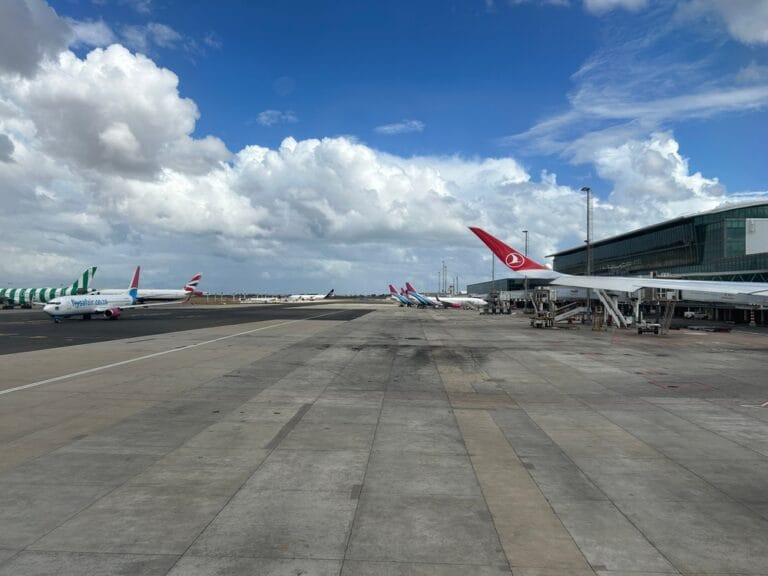
- African aviation may be nearing a turning point as easing aircraft supply constraints make fleet renewal viable from 2026, offering airlines a chance to reduce fuel costs, maintenance burdens and emissions linked to chronically ageing fleets
- New-generation aircraft are beginning to enter African fleets, delivering immediate economic and environmental gains, but deeper decarbonisation is constrained by the high cost and limited availability of sustainable aviation fuel
- Policymakers and industry face a sequencing challenge, balancing near-term investment in fleet modernisation with early, targeted funding for SAF production to avoid long-term dependence and secure Africa’s position in a future low-carbon aviation market
After decades of operating older, less efficient aircraft, African aviation may be approaching a long-awaited inflection point. As global aircraft supply chains ease and delivery slots begin to open up, 2026 is increasingly being seen by industry leaders as the year when fleet renewal across the continent could start to close a structural competitiveness gap — one that has weighed on airline finances and emissions for years.
African carriers operate fleets that are, on average, several years older than the global mean. The consequences are tangible: higher fuel burn, heavier maintenance requirements, weaker reliability and a larger carbon footprint per seat. In an industry where margins are thin, this “ageing fleet penalty” functions as a recurring tax on growth.
That may now be changing. New-generation aircraft such as the Airbus A320neo family and Boeing 787 are gradually becoming viable options for African hubs as manufacturing backlogs clear and leasing markets loosen. These aircraft typically deliver fuel savings of around 15 to 25 percent compared with older types, alongside lower maintenance costs and improved dispatch reliability. For airlines where fuel accounts for roughly 30 to 40 percent of operating expenditure, the impact is immediate and material.
Several carriers have already begun to move. Fleet renewal programmes underway across southern, eastern and western Africa point to a broader shift towards younger, more fuel-efficient aircraft, driven as much by economics as by sustainability commitments. Industry forecasts suggest the continent’s commercial fleet will more than double over the next two decades, underscoring both the scale of future demand and the opportunity to modernise.
Yet new aircraft alone will not deliver a pathway to net zero. Even the most efficient jets remain dependent on conventional jet fuel, and this is where the next strategic bottleneck emerges: sustainable aviation fuel.
SAF is widely recognised as the single most important decarbonisation lever for aviation in the medium term. However, commercial reality remains harsh. Despite record production growth, SAF is expected to account for well under 1 percent of global jet fuel demand in the near term. Costs remain two to five times higher than fossil jet fuel, creating a green premium that African airlines — already burdened by high operating costs and limited pricing power — can scarcely absorb.
For African carriers, SAF is not a marginal ESG consideration. It is an existential challenge. Paying a 200 to 500 percent premium on fuel without structural support risks undermining already fragile business models.
This tension sits at the heart of the African Union’s Green Aviation ambitions. The AU has set out a long-term vision for low-carbon aviation, including the development of SAF value chains on the continent. The headline figure often cited is US$30 billion. The more immediate and difficult question is where the first US$1 billion should go.
Should scarce capital be channelled into accelerating fleet modernisation, capturing immediate cost and emissions savings? Or should it be used to de-risk local SAF production, laying the groundwork for fuel sovereignty and a new aviation-energy ecosystem?
The answer, according to many analysts, lies in sequencing rather than choosing one path exclusively. Fleet modernisation offers fast, measurable returns: lower fuel bills, reduced emissions intensity and stronger airline balance sheets. Those gains, in turn, make carriers more resilient and better positioned to absorb SAF blending costs when supply eventually scales.
At the same time, targeted early investment in SAF — pilot plants, feedstock development, blending and distribution infrastructure — is essential to prevent Africa from becoming a price taker in a future global SAF market dominated by producers elsewhere. Without early de-risking, local production may simply never reach commercial scale.
As the UN Decade of Sustainable Transport gathers pace, African aviation stands at a decisive moment. The debate is no longer theoretical. Capital allocation decisions made in the next 12 to 24 months will shape fleet composition, fuel supply and competitive positioning well into the 2030s.
Whether 2026 becomes the year African aviation finally begins to shed its ageing fleet penalty will depend less on intent than on execution — and on whether the first billion dollars is deployed with enough strategic clarity to unlock systemic change.