
- Climate change is increasing risks for pharmaceutical supply chains as extreme and unpredictable weather, including heatwaves, snow, ice, heavy rainfall, and tropical cyclones, disrupts the transport of temperature-sensitive drugs, especially during vulnerable stages like airport cross-docking.
- Resilience in supply chains depends on combining robust, climate-tested thermal packaging, such as PCM blankets, with advanced digital monitoring systems to maintain precise temperature control, anticipate delays, and reduce risks to sensitive medications.
- Operational, regulatory, and sustainability stakes are rising because failure to protect drug integrity can lead to recalls, financial losses, and threats to patient safety, while reusable, climate-resilient packaging also supports Net Zero goals and long-term supply chain reliability.
Following a period of unusually icy weather in Central Europe earlier this month, Cold Chain Technologies (CCT) has issued a warning to pharmaceutical manufacturers and logistics providers: climate change is dramatically increasing the risk of disruptions in the transportation of temperature-sensitive medications. The company urges the adoption of advanced thermal packaging solutions to safeguard life-critical products against extreme weather events.
While much of Europe currently battles ice, snow, and sub-zero temperatures, the global climate tells a more complex story. According to meteorological data, 2025 ranked as the third-warmest year on record, highlighting the growing prevalence of heatwaves worldwide. At the same time, researchers note an uptick in heavy rainfall events and tropical cyclones appearing in regions historically considered low-risk. Together, these trends illustrate a broader shift toward more frequent and intense weather extremes, presenting a unique challenge for supply chains that rely on precise temperature control.
“The number of weather-related disasters has increased fivefold over the past 50 years,” said Luiza Cervetto, Senior Global Marketing Manager at Cold Chain Technologies. “For pharmaceutical manufacturers, even temporary interruptions in temperature control can be catastrophic, particularly for ultra-sensitive medications. Extreme weather events are no longer rare anomalies—they are becoming a recurring threat that can impact previously unaffected regions.”
Supply chains for pharmaceuticals are particularly vulnerable during loading and unloading processes at airports, known as cross-docking operations. Even under ideal conditions, these stages involve short periods of exposure to the elements. While best practices aim to limit such interruptions to mere minutes, delays caused by labour shortages, customs procedures, or unforeseen factors—such as aircraft de-icing—can extend exposure to hours. For life-saving medications that require strict temperature control, such interruptions are far from trivial.
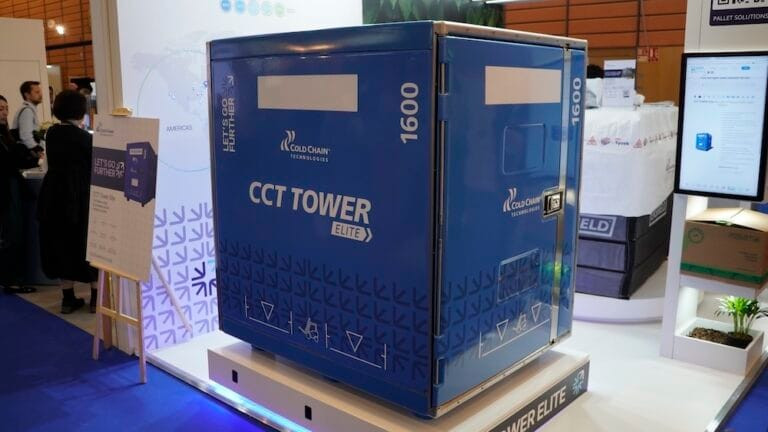
Cold Chain Technologies emphasizes that the key to resilience lies in a two-pronged approach: robust physical packaging and advanced digital monitoring. CCT offers a range of reusable solutions, including the Enshield phase change material (PCM) blanket designed specifically for pharmaceutical corridors, which the company claims have been rigorously tested against simulated hurricanes and heatwaves. “Reliable temperature control is non-negotiable,” Cervetto said. “Our packaging solutions are designed not only to maintain ideal conditions but to withstand extreme weather, ensuring the product arrives safely even under adverse conditions.”
Beyond physical protection, CCT stresses the importance of digital tools for managing complex, multi-leg supply chains. Integrated monitoring systems and detailed data reporting allow manufacturers and logistics providers to anticipate risks such as extreme weather or administrative delays, enabling proactive decision-making. “Digital tools complement robust packaging by providing real-time insights,” Cervetto explained. “They empower supply chains to adapt quickly, mitigating risks before they compromise sensitive shipments.”
Industry analysts agree that climate volatility is reshaping pharmaceutical logistics. Dr. Anna Richter, a supply chain expert at the European Institute for Pharmaceutical Logistics, notes that temperature-sensitive drugs such as biologics, vaccines, and certain oncology medications are particularly at risk. “Even brief exposure to temperature extremes can reduce efficacy or, in some cases, render a batch unusable,” she said. “Companies are increasingly recognizing that climate-resilient packaging and advanced monitoring are no longer optional—they are essential components of operational risk management.”
The growing frequency of extreme weather also has implications for regulatory compliance. International guidelines mandate strict temperature ranges for pharmaceuticals during storage and transit. Failures to maintain these conditions can result in product recalls, financial penalties, and, most importantly, threats to patient safety. As extreme weather events increase, logistics providers face mounting pressure to meet these standards under increasingly unpredictable conditions.
Cold Chain Technologies’ warning comes amid broader efforts by the pharmaceutical industry to embrace sustainability and climate resilience. CCT highlights its commitment to Net Zero, emphasizing the environmental benefits of reusable packaging solutions alongside their operational advantages. By investing in both durable physical packaging and digital oversight, the company says, manufacturers can maintain compliance, protect product integrity, and reduce carbon footprint simultaneously.
Experts caution that while no system can fully eliminate the risks posed by climate extremes, proactive measures can significantly reduce exposure. “The combination of rigorously tested packaging and advanced monitoring provides a buffer against uncertainty,” said Richter. “As weather patterns continue to shift, companies that fail to adapt will face escalating operational and financial risks.”